

Rod Dreher’s Exile
A new profile of my old friend raises big questions about what motivates him—and what motivates me

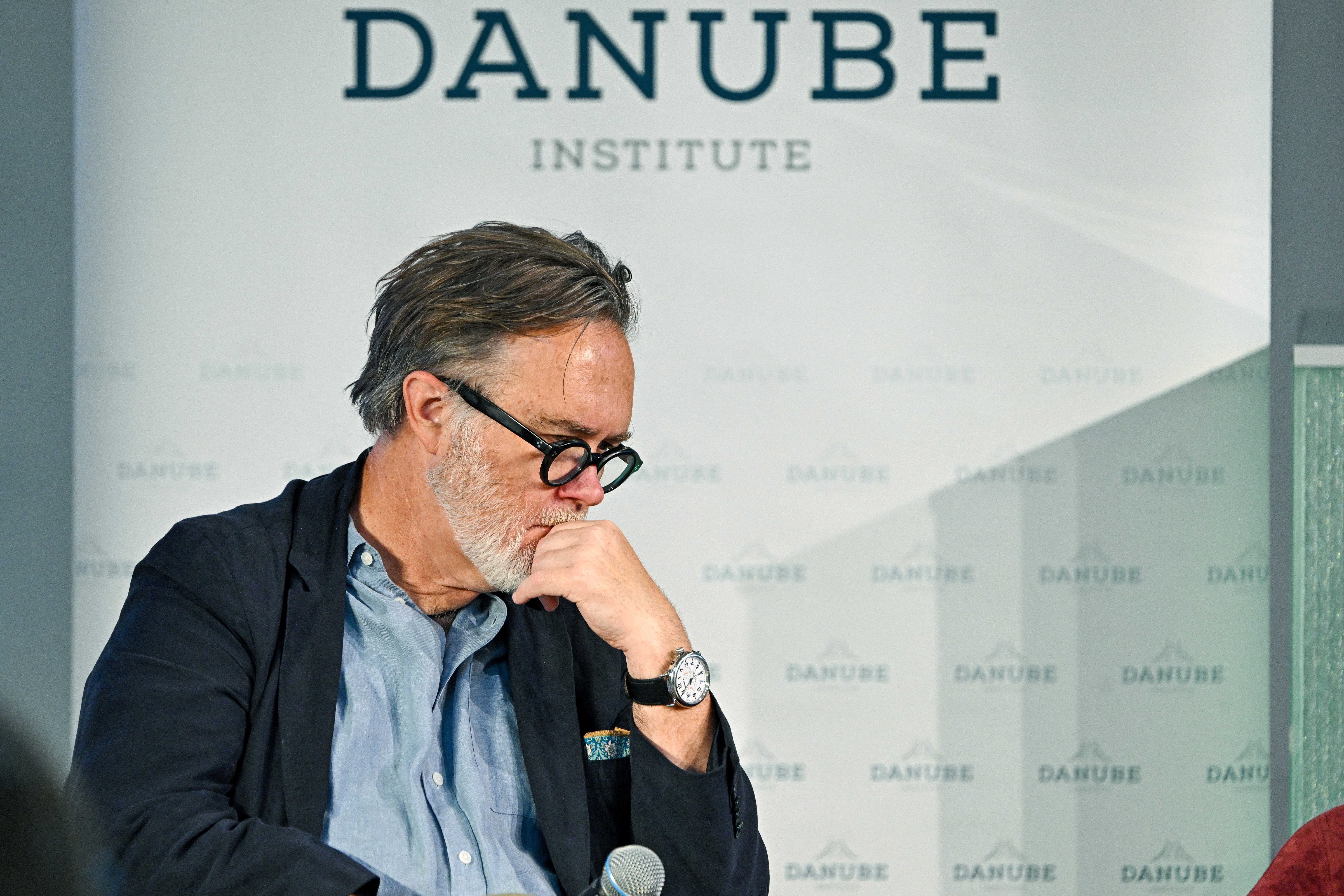
I’m late in posting this video of my November 2025 debate with Ross Douthat about whether everyone should be religious. I think it’s fitting, though, that I should publish it at the opening of this post, which resonates with so many related themes.
I’ve written enough posts about Rod Dreher down through the years that I could almost dedicate a stand-alone section of this newsletter to him. (That’s an exaggeration, but not by much. Here is the most recent post, from just a few months ago, in which he plays an important part.) When I write something on him, my most engaged readers usually respond in comments that they used to admire Dreher and read him fruitfully but that at some point he became a reactionary and racist crank they could no longer abide. I’ve had periods when I’ve felt like that. But I keep coming back to him, even as he’s drifted further and further away from the (perhaps idiosyncratic) skeptical and pessimistic liberalism I affirm in my work.
One reason why I keep coming back to Rod is that I know him personally, we developed a friendship nearly a quarter century ago, and I don’t believe in dropping friends for political reasons. There are limits to that, of course. (A friend who began telling me Adolf Hitler made a lot of good points in Mein Kampf would no longer get invited over to dinner.) But I try as best I can to exemplify the ancient virtue of liberality in my dealings with people. That means demonstrating generosity and openness to difference.
But it wouldn’t be entirely honest to suggest I remain drawn to Rod purely out of a principled commitment to tolerate a longstanding friend who holds views with which I sharply disagree. The truth is that I feel like I “get” him on a deep, spiritual level. That’s never been clearer to me than it was while reading a new and really excellent profile of him by Robert F. Worth in the latest issue of The Atlantic.
The Politics of Cultural Despair
Near the top of the profile, Worth suggests that “Dreher offers a full-fledged portrait of the cultural despair that haunts our era, a despair that has helped pave a road toward tyranny.” I think that’s exactly right.
