


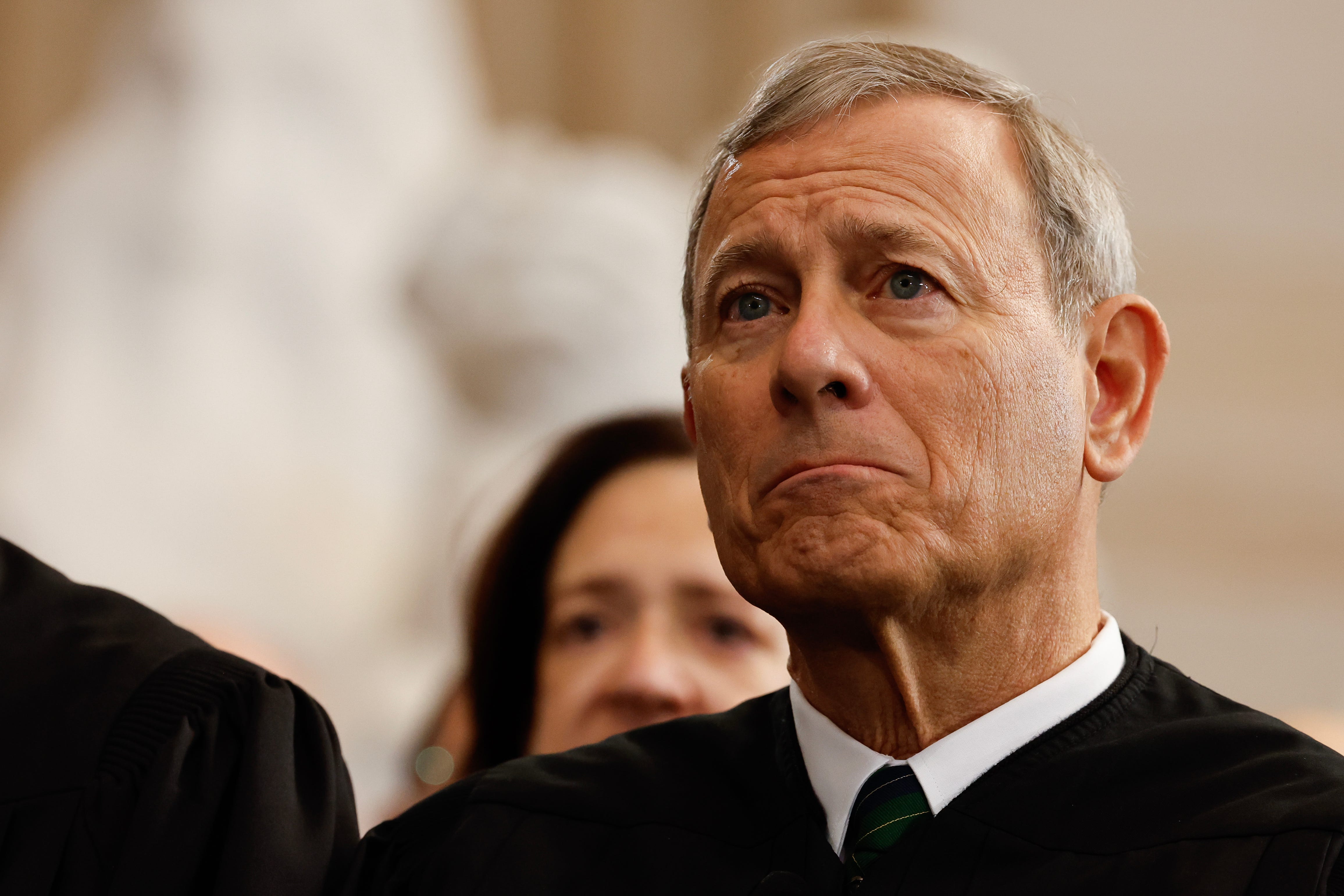
In what is clearly the most significant decision of the second Trump administration thus far, the Supreme Court ruled 6-3 last Friday in Learning Resources, Inc. v. Trump that the president cannot impose tariffs under the provisions of the International Emergency Economic Powers Act (IEEPA). Since the decision effectively nullified Trump’s protectionist trade policy, setting the administration up for years of legal battles over whether it must refund tariff revenues already collected, and how it could do so, Learning Resources initially looked like a devastating blow for the president. Finally, the judicial branch has stood up to Trump and firmly said No!
It took just a few hours for observers to figure out that the consequences were far less cut and dried than they first appeared. First, because the decision (authored Chief Justice John Roberts)—including a lengthy concurrence by Neil Gorsuch, a lengthy dissent by Justice Brett Kavanaugh, and several other concurrences and dissents—was highly complex. Second, because Trump responded to the decision with rage and by claiming the power to authorize the tariffs already in place on Friday morning, as well as to impose a whole new round of tariffs on every country in the world, under a different statute.
What follows are a series of enumerated observations about the decision and what it means for the near- and longer-term American political future.
Observation #1: Good Decision. But Why So Slow?
I was initially greatly cheered by the tariff ruling. It was good to see such a firm rebuke of the Trump administration from the Supreme Court with six of the justices (three of the liberals along with three of the conservatives) standing behind it.
The Constitution assigns the tariff power to Congress. Part of what was at stake in Learning Resources, as was perhaps clearest in Justice Clarence Thomas’ dissent, is whether Congress can delegate such legislative powers to the executive if members of Congress so choose. Thomas says, Yes, it can. Roberts and those who signed onto his majority opinion say No, it can’t. The majority outcome on the negative side of this disagreement is a good thing for American democracy, as is the discussion in Gorsuch’s concurrence of the crucial importance of Congress in our system of self-government. Nothing that’s so far happened during Trump 2.0 has cheered me more than these passages of this decision.
Yet I can’t help but note that it’s far from ideal that, under this same system of self-government, if the president claims statutory authority to act, as Trump did in early April 2025, it can take a full ten months for the judiciary to reach a final, binding determination that the claim to authority is invalid. That means the system potentially permits the president to act lawlessly and dictatorially for nearly a year before he can be reined in. Other than urging the high court to move more swiftly, I’m unsure what the remedy for this might be. But it seems quite a bit less than ideal that, with Trump now changing how he will justify his tariff authority going forward, the country could potentially end up with unconstitutional tariffs for close to the entirety of the first half of the second Trump administration.
