

What Was “Woke 1”?
All these years later, many of us still fall short of understand what was distinctive and pernicious about the Great Awokening

I suspect some of my subscribers will roll their eyes when they see I’ve written a post in the summer of 2026 devoted to wokeness. To judge by public statements of liberals and progressives, the center-left and harder left really find the topic tedious and even infuriating. How can we still be talking about stuff that peeked roughly five years ago and, sure, was sometimes kind of annoying, when a wildly corrupt and malicious president aims to govern as an autocrat and his maximally deferential party controls both houses of Congress and the Supreme Court?
I heard left-leaning New York Times columnist Jamelle Bouie say exactly that in a video post just last week. For a guy who back between 2018 and 2022 never conceded a millimeter of ground about wokeness, dismissing criticisms of it as pure gaslighting, Bouie is now surprisingly willing to admit that he, too, thought it was all a bit much back in the day, while using that concession to enhance his credibility in dismissing anyone (including former Times colleagues David Brooks and Ross Douthat) who thought it was a tad more significant at the time and think it still importantly shapes the left, and the right’s response to it, today.
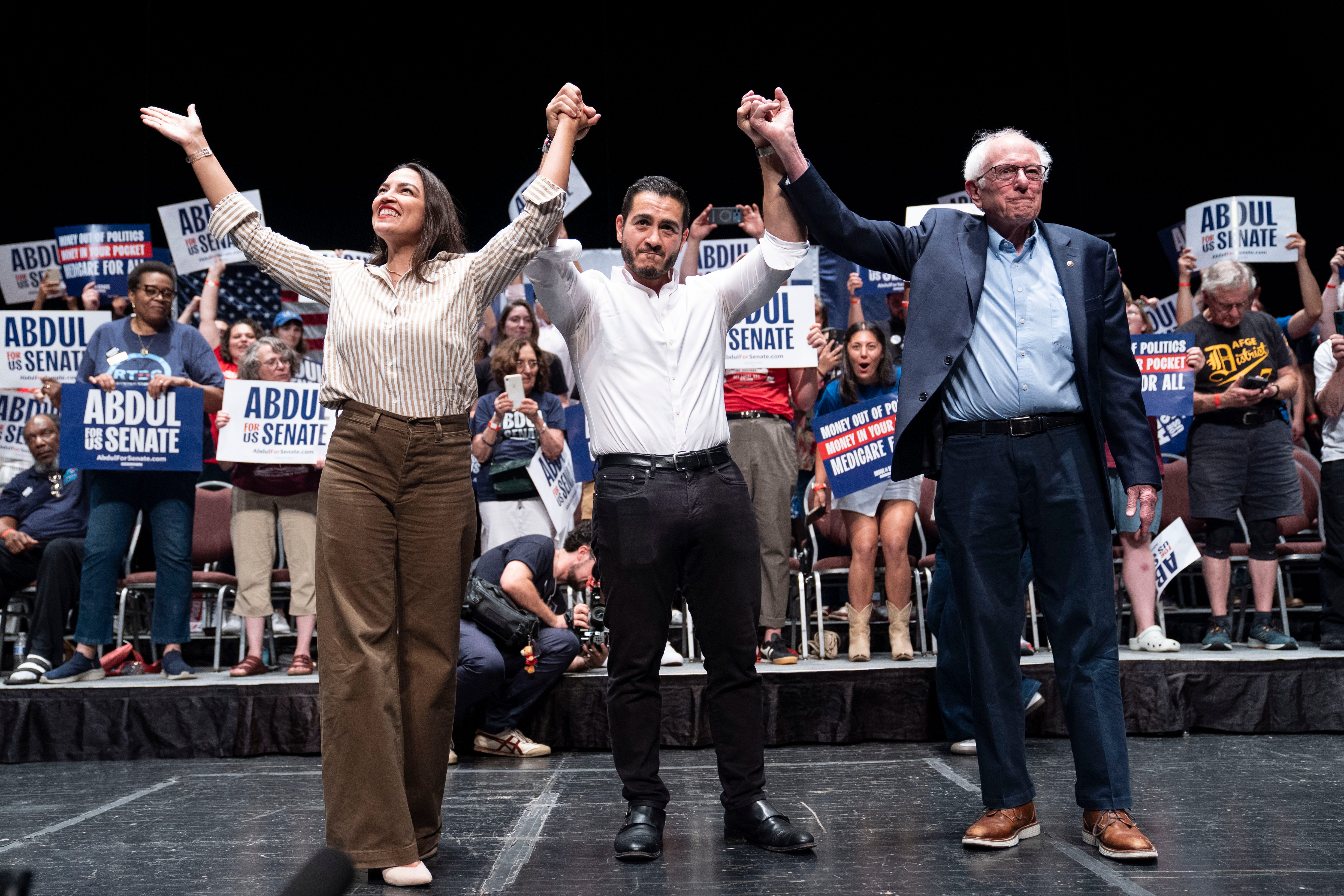
Rep. Alexsandra Ocasio-Cortes was only slightly more charming a week ago on ABC’s “This Week” when she quoted (with a smile and a laugh) Chi Ossé, a far-left New York City councilman, to the effect that “Woke 1 was crazy.” The line is a perfect blend of a light-hearted concession about the madness of 2018-2022 with an eyebrow-raising acknowledgment that there might be a much better, new and improved, form of wokeness (“Woke 2,” presumably) coming down the pike.
Why Now?
There are two main reasons everyone seems to be talking about wokeness this past week or so. First and foremost, there is the deeply unsettling story of Jason Arday, the British academic who was the youngest-ever black professor hired at Cambridge University. Nathan Cofnas, an advocate of “race realism,” which critics call “scientific racism,” outed Arday as a plagiarist and fabulist, which led to him to be fired from his position at Cambridge, which apparently led, in turn, to him taking his own life late last week. Then there is Tyler Austin Harper’s outstanding cover story in the Atlantic about the demoralizing experience, as a black socialist scholar, of working in, and then resigning, a tenure-track position at Bates, a small liberal-arts college in Lewiston, Maine. Harper’s essay is well worth reading, as is his thoughtful and nuanced reflection on Arday’s life and tragic death.
But thoughtfulness and nuance are pretty rare these days. While a few on the center-left and left praised Austin’s cover story, most responded with anger and defensiveness. Even if he has a point here or there, they said, how could he make these arguments at a moment when the right holds the real power and has universities in its crosshairs? If Harper really cared about academia, he would hold his fire, refusing to provide ammunition to its enemies.
Things predictably got even nastier after Arday’s death was announced, with many on the left ignoring his own (and Cambridge’s) role in the collapse of his career and public humiliation and instead blaming woke-obsessed muckrakers on the right for driving him to suicide. (There’s definitely some truth to that. But it’s only part of the story.) Ibram X. Kendi, meanwhile, weighed in in the most predictable way possible by insisting (as the headline of his essay in The Emancipator put it) “The Media Lynched Jason Arday.”
All of this leaves me frustrated and annoyed that all these years later, so many seem incapable of understanding what happened during the so-called Great Awokening—and why so many on the right and some in the liberal center (like me) continue to believe those who supported the cultural politics of those years have failed to reckon honestly with their contribution to an unusually poisonous episode in recent American history that continues to reverberate destructively across the country.
